JOIN THE MOVEMENT. SIGN UP HERE ›
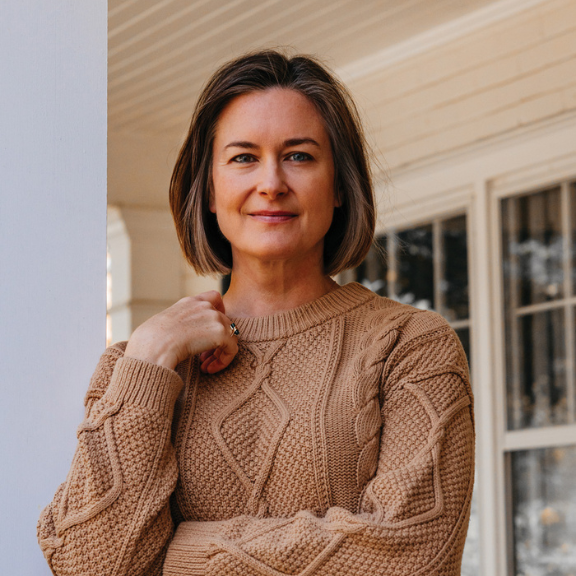
Anyone doing climate work for any length of time knows the same thing: the wins are slower than expected, the setbacks are heavier than expected, and staying grounded is its own discipline.
Dr. Katharine Wilkinson, co-founder of The All We Can Save Project and one of the most resonant voices in climate today, presents at our Opening Night Event with a reflection drawn from her new book Climate Wayfinding: Healing Ourselves and the Planet We Call Home — shaped for the people doing climate work across our mountain communities.
How to stay rooted, stay sane, and keep going when the work is hard and the wins are slow. A reminder that endurance is its own form of leadership.
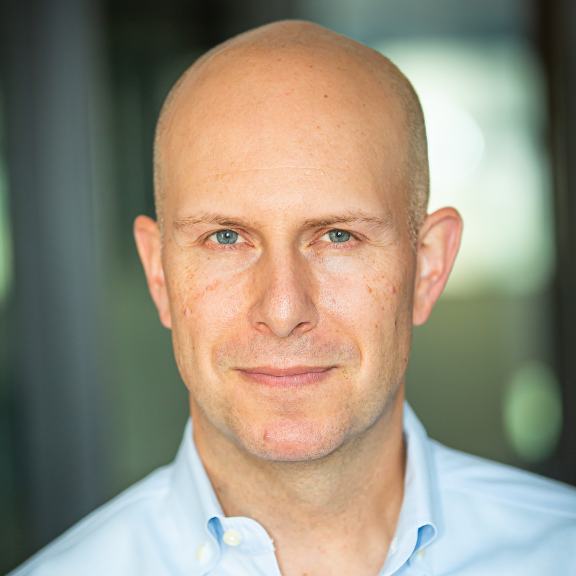
Climate concern doesn’t change anything until it shows up at the ballot box — and right now, millions of climate-concerned Americans aren’t showing up.
Nathaniel Stinnett, Founder and Executive Director of the Environmental Voter Project, has built one of the few climate strategies in the country with measurable political results.
He walks us through the research on these non-voters, the behavioral science of converting concern into ballots, the messaging experiments that are actually moving people, and the real leverage point heading into the 2026 midterms. The session for anyone who’s wondered why caring isn’t enough.
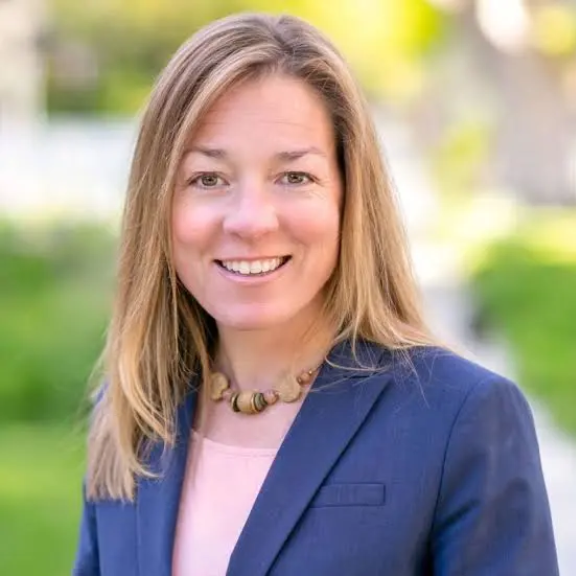
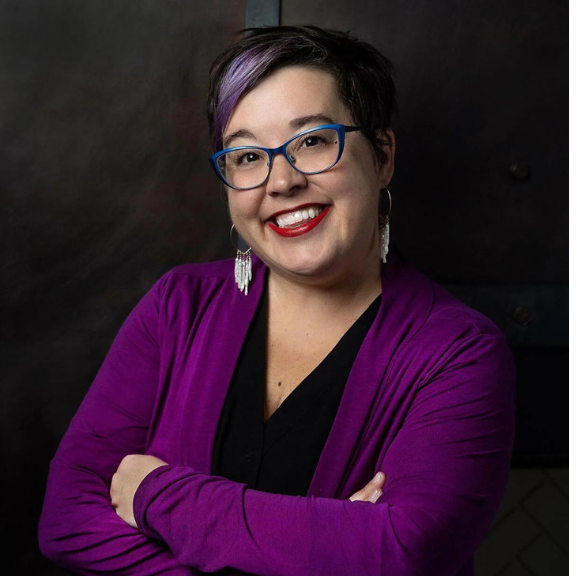
The federal political environment has shifted. The work hasn’t.
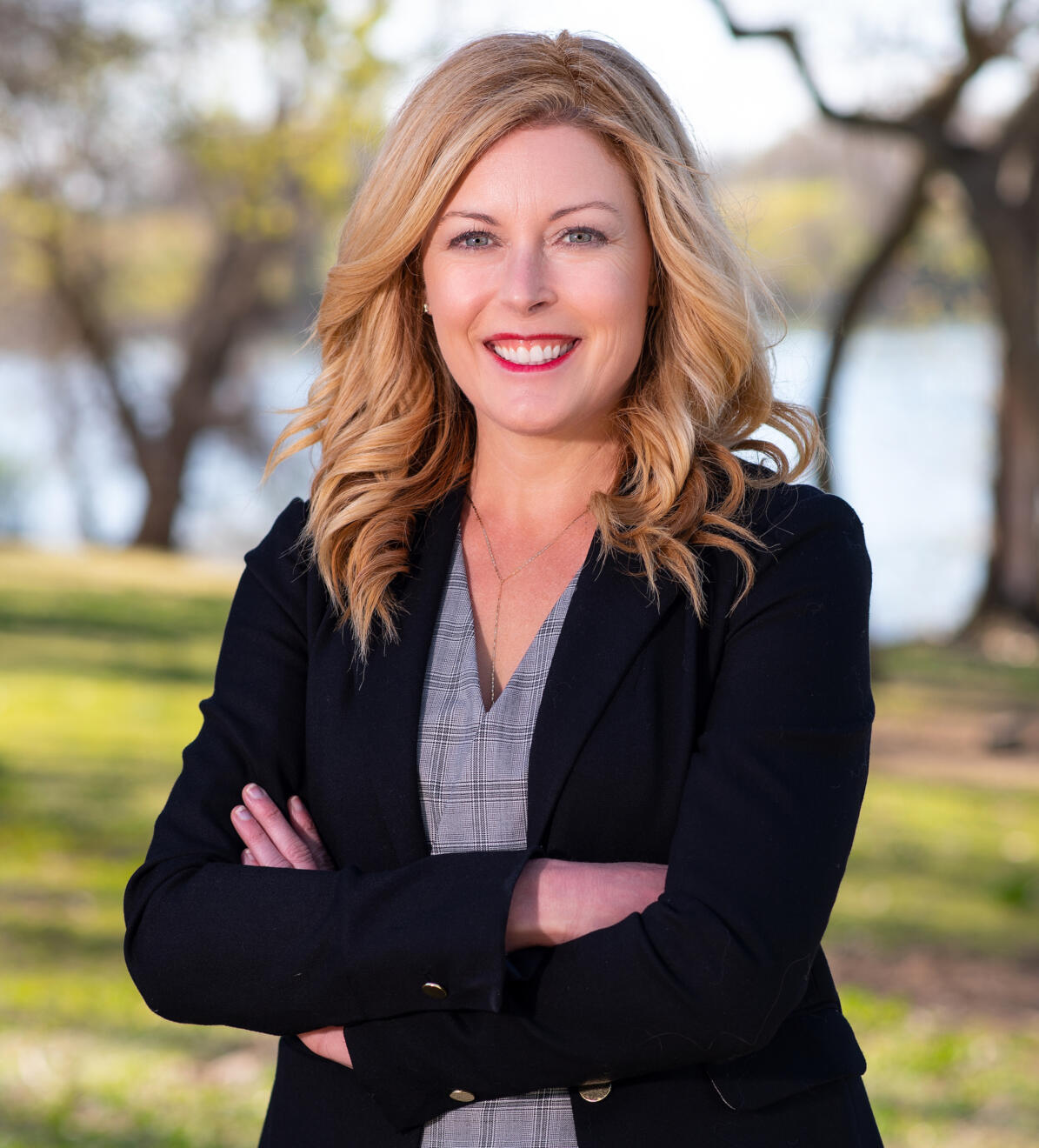
Across America, the most consequential climate progress is being driven by mayors—they are building stronger coalitions, finding the language that actually moves their communities, and delivering real benefits by lowering energy bills and reducing pollution nationwide.
Mayor Lauren McLean of Boise and Mayor Barbara Buffaloe of Columbia, Missouri open SV26 with a candid look at how it’s done. Moderated by Kate Wright of Climate Mayors.
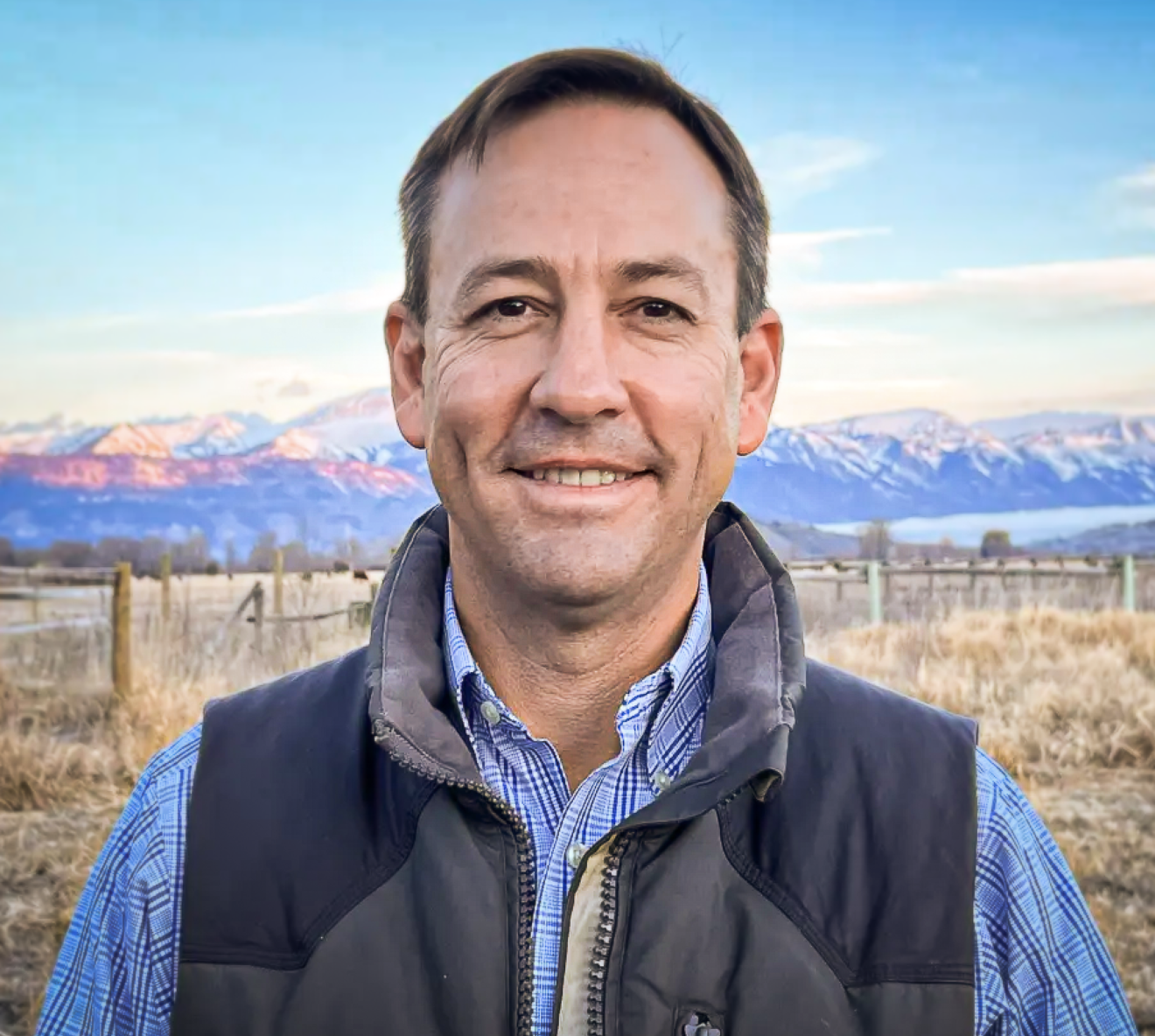
The 2026 fire season made one thing obvious: project-by-project wildfire work isn’t keeping up with the problem.
A panel of practitioners and finance leaders walks us through what landscape-scale resilience actually looks like – the financing structures making it possible, the partnerships holding it together, and the operational work behind it.
Honest about what’s working, what isn’t, and what mountain communities can realistically replicate. The conversation worth having after another summer like this one.
Speakers:
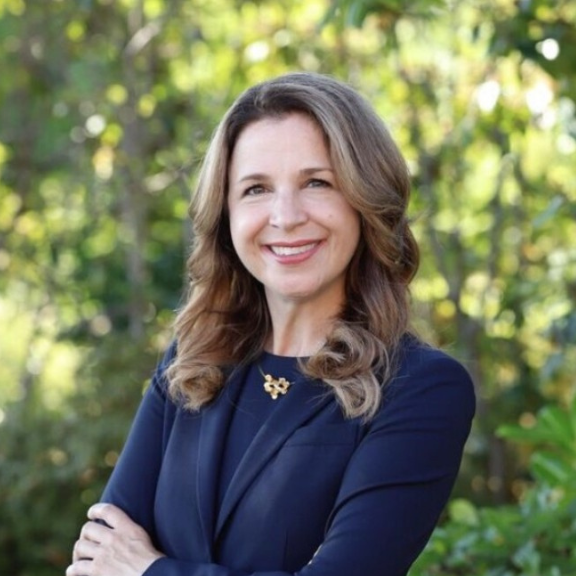
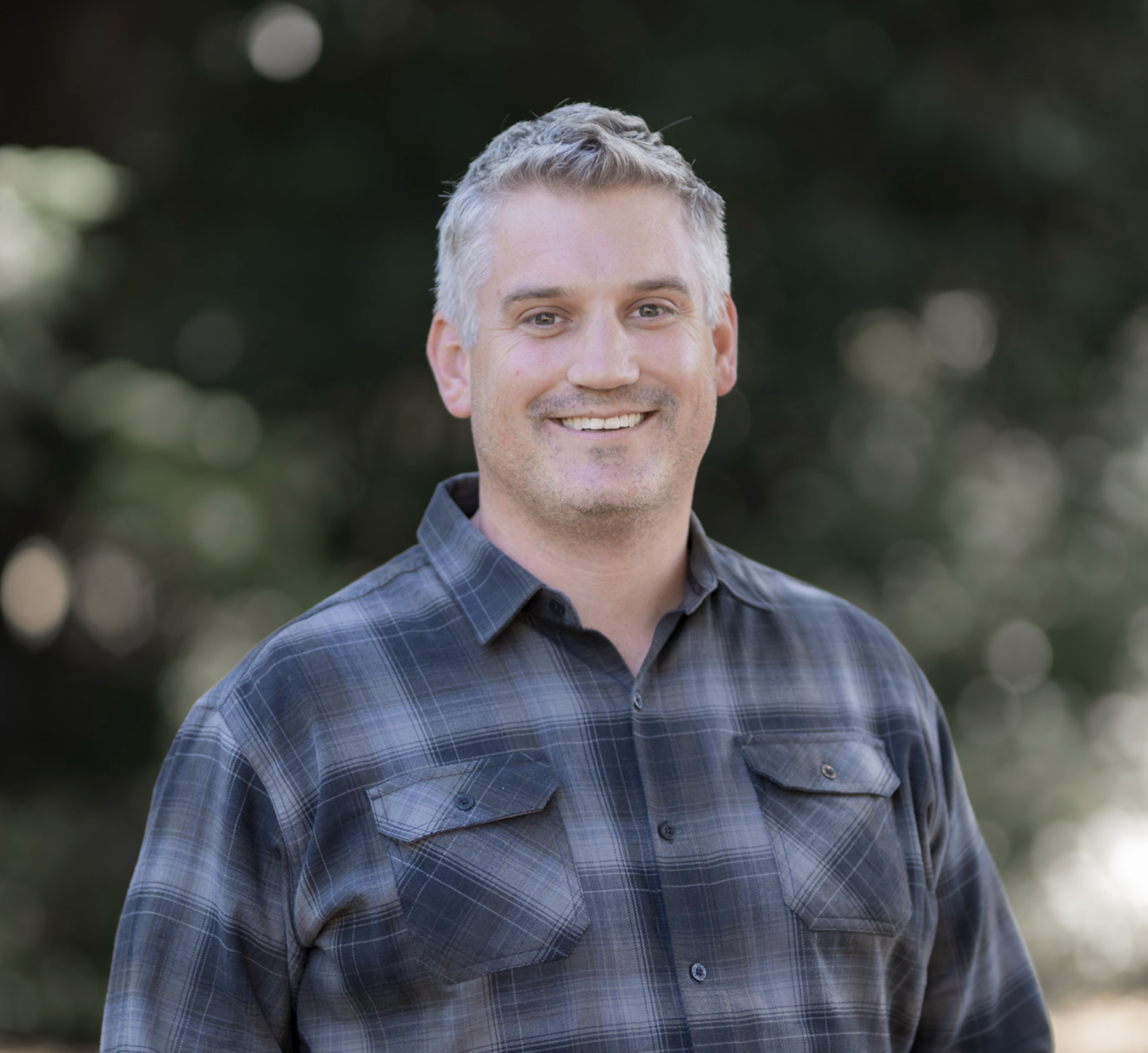
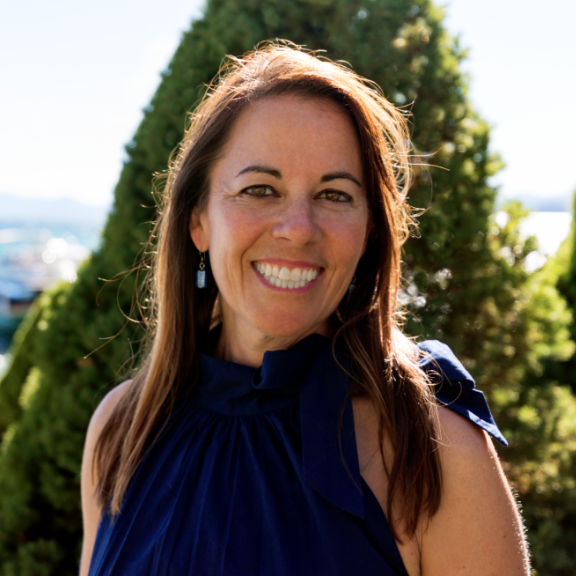
Hilary Franz, President & CEO, American Forests
Amy Berry, Executive Director, Tahoe Fund
Zach Knight, CEO & Co-Founder, Blue Forest
Harry Statter, Founder & CEO, Frontline Wildfire Defense
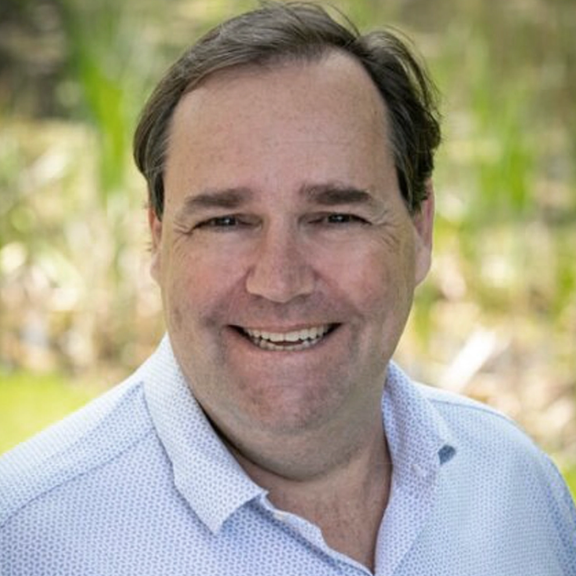
In recent years, we’ve witnessed “climate hushing” from leaders facing political headwinds. The research shows that’s the wrong lesson. The question isn’t whether we should talk about climate change. It’s how.
Many of today’s dominant climate narratives are too narrow and too easy to portray as expensive, disruptive, or disconnected from everyday life. As a result, they shrink support for climate progress rather than expand it.
John Marshall founded Potential Energy Coalition to address this problem by leveraging the tools and techniques of the best consumer marketing and producing research that shows what messaging generates public demand for climate solutions.
John will provide actionable and data-backed insights on how mountain town leaders can engage their communities by centering messaging on what is grounded in people’s everyday realities and priorities.
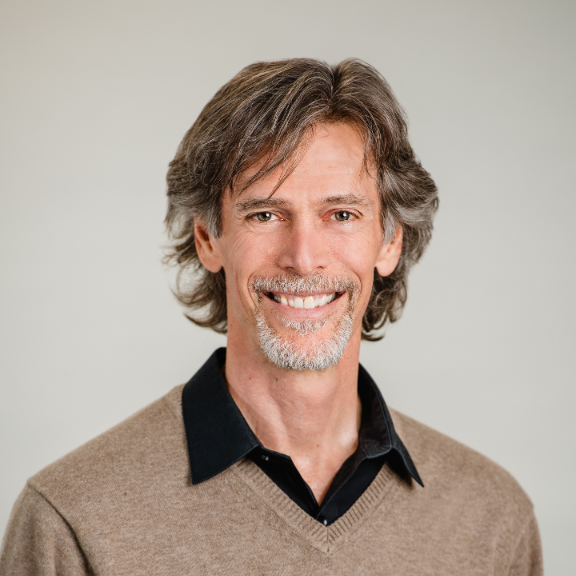
We’re living on a planet operating at roughly half its productive capabilities. This loss of the massive capacities of the planet to absorb and cycle carbon, water and energy are the “second leg” of climate destabilization that most descriptions of climate change and climate action leave out.
Brett KenCairn – Senior Division Manager for the City of Boulder’s Nature-based Climate Solutions Team, and founding Director of the Center for Regenerative Solutions – is part of a growing cadre of practitioners asserting that landscape regeneration belongs at the center of climate strategy, not at the margins.
Brett brings to this argument both the scientific evidence and the working experience. He will share both Boulder’s nature-based climate work in practice, alongside the historical proof points like the reversal of the Dust Bowl, the recovery of the massive Chinese Loess Plateau, and a growing body of regeneration demonstrations around the world taking place now. At the heart of this work are local communities, the places on the front lines of these changes like mountain towns of the West. These are not simply places that manage aesthetic or recreational resources, these are places central to the reversal of the climate and living systems crises we currently face.
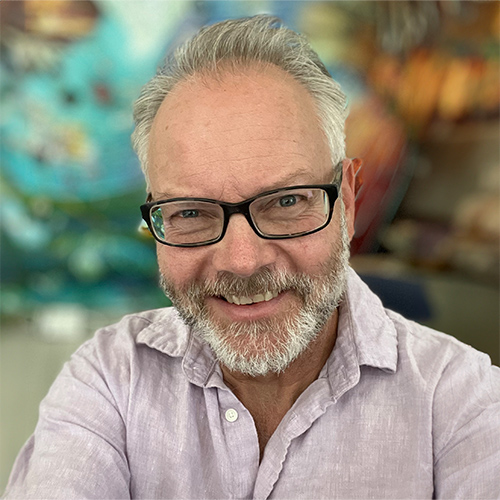
For nearly a decade, mountain towns have led on climate the way leaders should — electrifying fleets, retrofitting buildings, financing clean energy. That work is necessary, and the people in this room have done it heroically. But it will not, by itself, be enough. The disruptions ahead — ecological, economic, social — are arriving faster and harder than any single technology can absorb.
This keynote by Rob Davies, Associate Professor of Physics, Utah State University offers a different frame, drawn from the science of systems under stress: when a system is pushed far from equilibrium, transformation doesn’t come from the whole at once. It begins in small “islands of coherence” — places stable and connected enough to hold together, and to show everyone else what’s possible. Mountain towns — with their resources, their front-row seat to disruption, and their fierce love of place — are unusually suited to become those islands: working models, and load-bearing pillars, of a durable and livable future.
Seeing through two eyes — rigorous science and deep relationship to land and one another — we’ll look honestly at what it takes to build one.
The Mountain Collaborative for Climate Action was formed after first MT2030 Summit in 2019, making it one of the few industry initiatives with genuine roots in the outdoor industry. Founded by Vail Resorts, Alterra Mountain Company, Boyne Resorts, and POWDR around shared focus on advocacy, clean energy, and sustainability innovation. But the real work happens at the community level, where resort operators work alongside mountain town governments, local organizations, and community stakeholders to turn those commitments into results on the ground.
The goal is engaging with stakeholders to move beyond coordination to true co-creation – blending policy, capital, and operational expertise to tackle challenges like energy, housing, and transportation. This session explores what that collaboration actually looks like, where it’s working, and ways stakeholders can engage with their counterparts to drive action.
Speakers:
Raj Basi, POWDR
Fritz Bratschie, Vail Resorts
Tom Bradley, Boyne Resorts
Jason Twill, Alterra Mountain Company